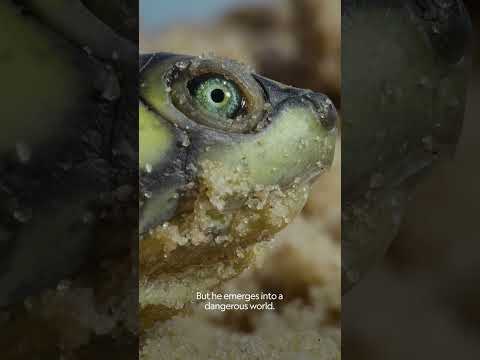
Our latest series, SUPER/NATURAL, reveals the secret powers of the world’s extraordinary animals. Executived produced by James Cameron and narrated by Benedict Cumberbatch— streaming now on #DisneyPlusPowered by WPeMatico
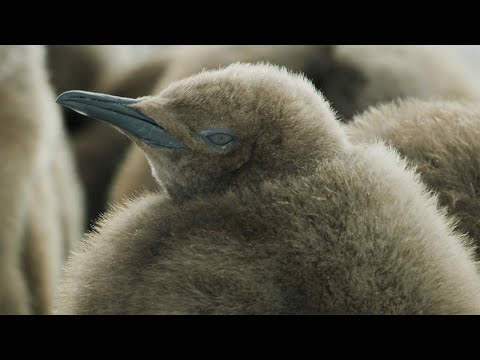
King penguins might be benefitting from melting glaciers – but what about the rest of our planet? Melting glaciers in South Georgia have opened up new habitat for penguin colonies, but the impacts of ice loss globally are far-reaching – with potentially devastating...
Our latest series, SUPER/NATURAL, reveals the secret powers of the world’s extraordinary animals. Executived produced by James Cameron and narrated by Benedict Cumberbatch— streaming now on #DisneyPlusPowered by WPeMatico
Cesar observes Hendrix’s behavior and shows Genesis how to properly put a leash on him. Pet owners across America need help more than ever. Fortunately, there’s hope. Cesar Millan is ready to take on his most challenging cases yet. ➡ Subscribe:...
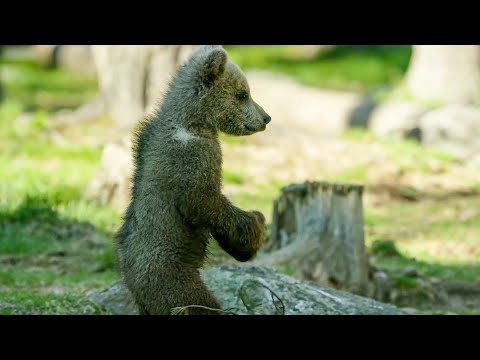
From baby bears to dancing whales, here are some of our favourite feel-good moments caught on camera! Subscribe: http://bit.ly/BBCEarthSub #bbcearth #wholesome Watch more: Planet Earth http://bit.ly/PlanetEarthPlaylist Blue Planet http://bit.ly/BluePlanetPlaylist...
➡ Subscribe: http://bit.ly/NatGeoWILDSubscribe ➡ Get more Nat Geo Wild Full Episodes: https://youtu.be/qAG2SkTPltw ➡ Get more Nat Geo Full Episodes: https://youtube.com/playlist?list=PLivjPDlt6ApSiD2mk9Ngp-5dZ9CDDn72O And check out more National Geographic series and...