
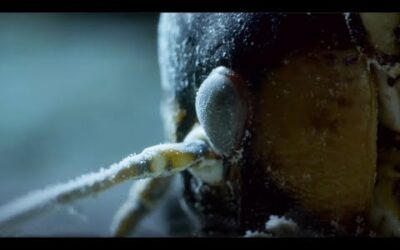
The Insect That Freezes To Survive | Nature’s Biggest Beasts | BBC Earth
The mountain stone weta actually encourages its body to freeze, in order to survive. Subscribe: http://bit.ly/BBCEarthSub #BBCEarth Watch more: Planet Earth http://bit.ly/PlanetEarthPlaylist Blue Planet http://bit.ly/BluePlanetPlaylist Planet Earth II...

Robots Hunting for Life on Mars | Planet Explorers | BBC Earth
Hunting for life on Mars with the Perseverance Rover – flying helicopters, investigating lake beds, looking for places where alien life forms may thrive. Dr Lucy Kissick is recreating Martian conditions on earth, but wants to go herself. Subscribe:...
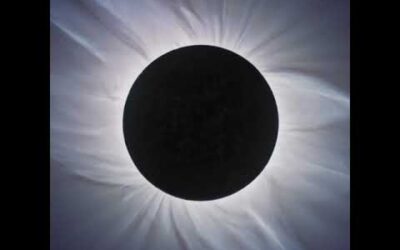
What does a total solar eclipse really look like? ☀️
In daylight, the corona – the outermost part of the sun’s atmosphere – isn’t visible, but it can be seen during a total solar eclipse. It looks a bit like a white halo! From the depths of black holes to mysterious alien worlds, journey into the darkest corners of the...
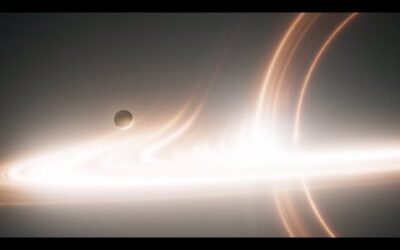
The End of Time | The Universe | BBC Earth
Space, time, and not even light can escape its pull... but what would happen if a planet passed through a black hole? From the depths of black holes to mysterious alien worlds, journey into the darkest corners of the #Universe like never before. Discover more 👉...
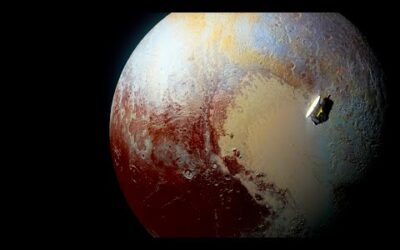
Exploring Pluto’s surface | Planet Explorers | BBC Earth
WHAT WE SAW BLEW OUR MINDS. The inside story of the incredible discoveries and near-misses of the New Horizons mission to Pluto. Dr Carly Howett runs the camera on the space probe that revealed an entirely unexpected world. Subscribe: http://bit.ly/BBCEarthSub...
Rescuing a Trapped Owl | Arctic Vets
An owl that was trapped in an air duct for 36 hours gets the checkup he needs to determine what should happen next. ➡ Subscribe: http://bit.ly/NatGeoWILDSubscribe #NatGeoWILD #ArcticVets #RescuingOwl About Arctic Vets: Whether they’re rescuing a polar bear in the wild...
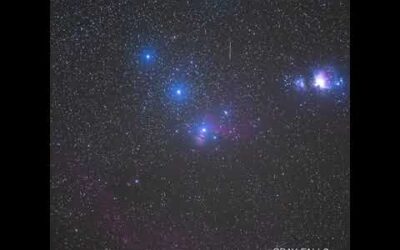
Our Universe Is Pretty Magical ✨
Our Universe Is Pretty Magical ✨ See those shining stars? Located on the celestial equator, orion is one our oldest and most recognisable constellations! Its ‘belt’ of three piercing stars is its most prominent feature. EarthCapture by @astrofalls ...
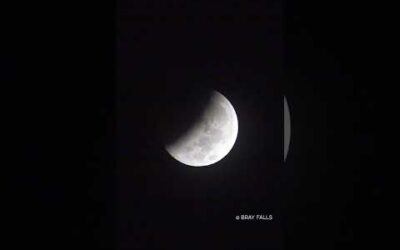
Don’t look directly at it 👀
Space photographer Bray Falls captured a lunar eclipse by taking an image every 20 seconds for approximately 3 hours! A lunar eclipse occurs when the moon passes through the Earth’s shadow cast by the sun. This time lapse was stitched together using around 446 images....